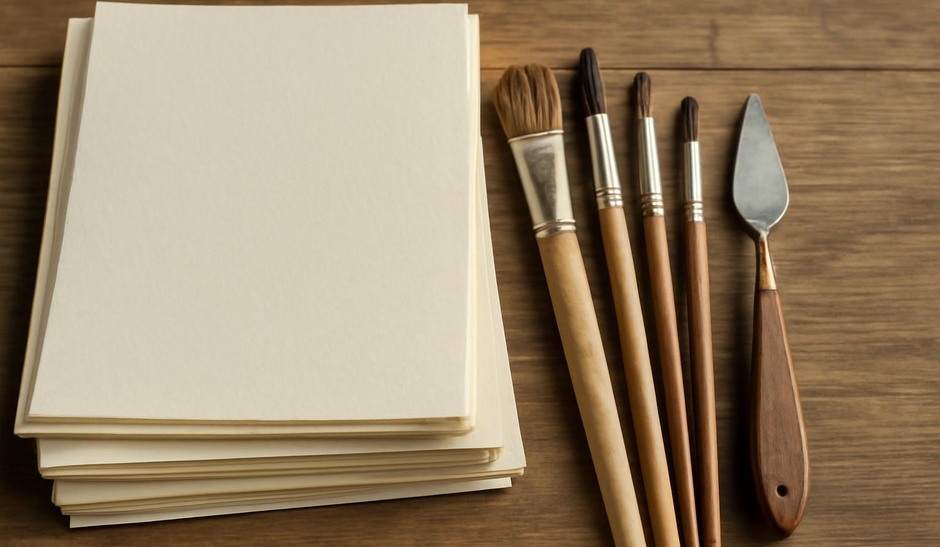
Choosing Materials: Paper, Brushes, and Tools that Last
Balance cost and longevity
Choosing materials is a negotiation between budget, durability, and creative intent. A cheap sketchbook you enjoy using is often more valuable than an expensive one left on a shelf. Conversely, for work you intend to keep or exhibit, invest in archival materials that withstand handling and time.
Paper basics
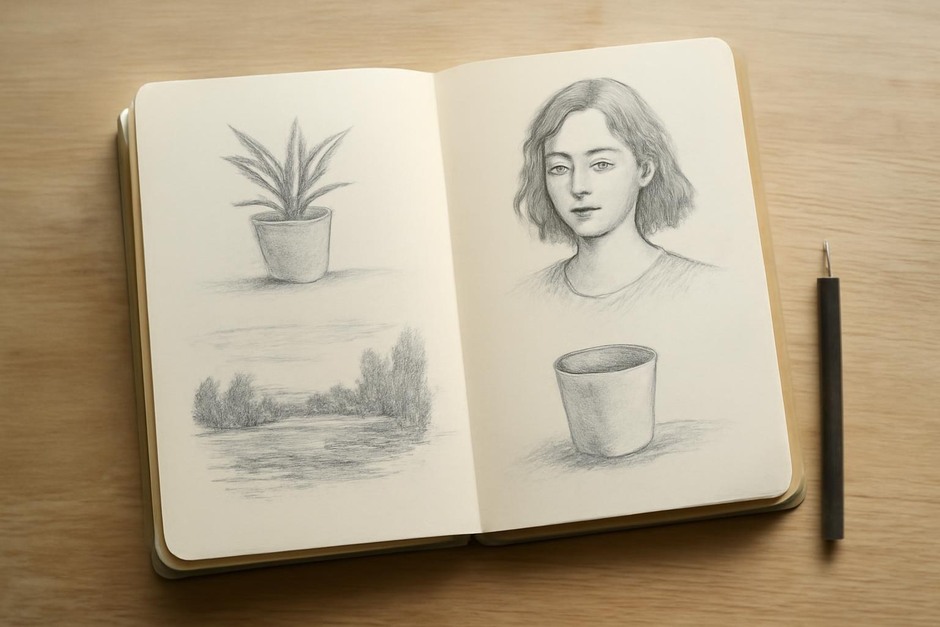
Consider surface, weight, and sizing. Smooth paper suits graphite, ink, and fine detail; textured paper supports charcoal, pastel, and expressive mark-making. Heavier weight reduces buckling with wet media; look for at least 200–300 gsm if you regularly use washes. Sizing affects absorbency—well-sized paper prevents inks and diluted paints from sinking and dulling prematurely.
Brush selection and care
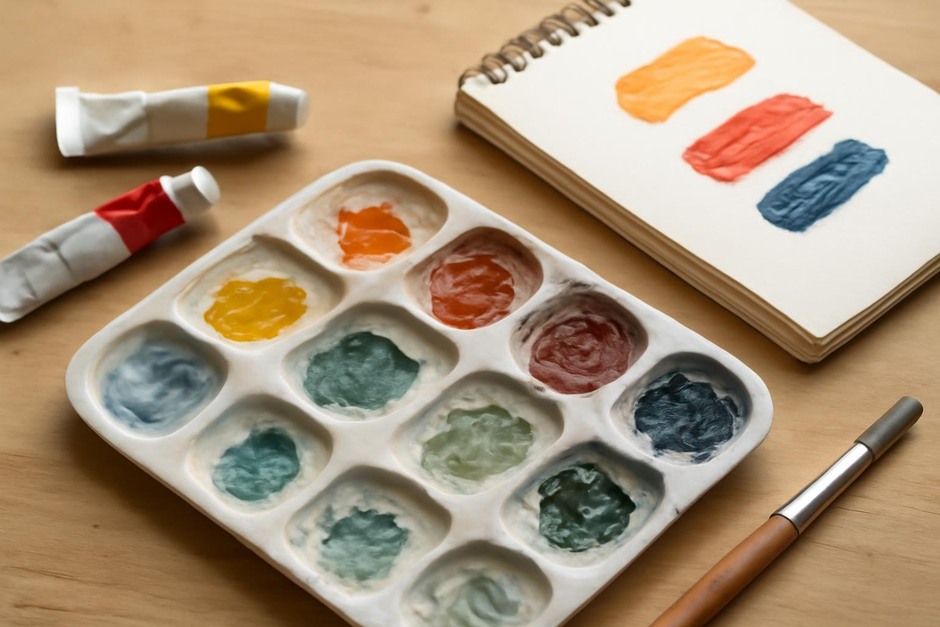
Brush shape and hair type determine how paint is held and released. Round brushes are versatile for lines and washes; flats are useful for edges and scumbles. Natural hairs and synthetic filaments each have strengths. Synthetic brushes are economical and resilient with acrylics; natural brushes often perform better with oil and certain water-based mediums but require careful cleaning.
Care extends brush life. Clean brushes promptly after use, reshape the tip, and store them horizontally or upright with tips up. Avoid leaving brushes resting on their bristles or soaking in solvents for long periods.
Essential tools beyond paper and brush
- A reliable eraser and a kneaded eraser for soft corrections.
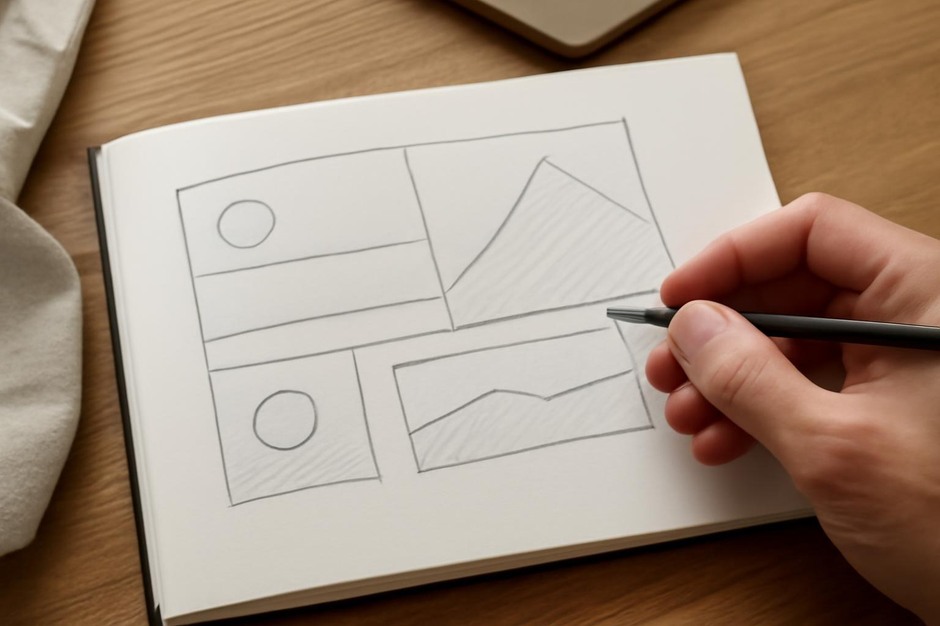
- A metal ruler and a simple square for measuring and aligning compositions.
- A toned ground or small palette of neutral papers for value practice.
- A palette knife for mixing and occasional scraping.
Organize for habit
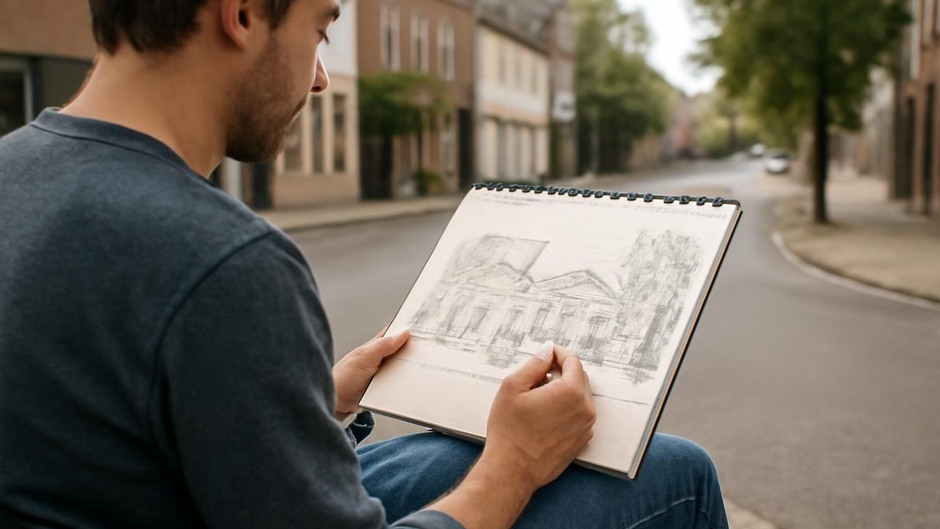
Tools you can access quickly are more likely to be used. Keep a small kit ready: a sketchbook, a primary pen or pencil, and one brush or mark-making tool. The convenience of a ready kit removes friction and supports spontaneous practice.
Test before committing
Buy small quantities or single units of new materials and test them in your usual practice. Notice how they respond across several sessions. A tool that feels awkward at first may improve your skill, but some materials reveal incompatibilities with your workflow quickly. Testing reduces wasteful purchases.
Accept repair and replacement as part of practice
Materials wear. Brushes fray, paper stains, and palettes accumulate residue. Routine maintenance—proper cleaning, occasional sharpening of pencils, replacing worn pads—extends the life of tools. When replacement is necessary, use the opportunity to reassess what you need from the next purchase rather than repurchasing by habit.
Choosing materials is both practical and expressive. Thoughtful selection and care make the tools unobtrusive: they become reliable partners that let attention remain on observation, colour, and composition rather than equipment failure.