The Quiet Practice of Daily Sketchbooks
Why a daily sketchbook matters
A sketchbook is less about finished work and more about the act of looking and recording. When used regularly, a sketchbook becomes a record of decisions, discoveries, and recurring questions. It lowers the threshold for trying something new because the page is already private and provisional.
Start with small commitments
Ambition often collapses into inaction. Rather than aim for a lengthy daily session, begin with something easy: five to ten minutes of drawing or a single small study. Small, repeatable actions are easier to maintain and they remove the pressure that turns a practice into a chore.
Try these simple prompts when you open the page:
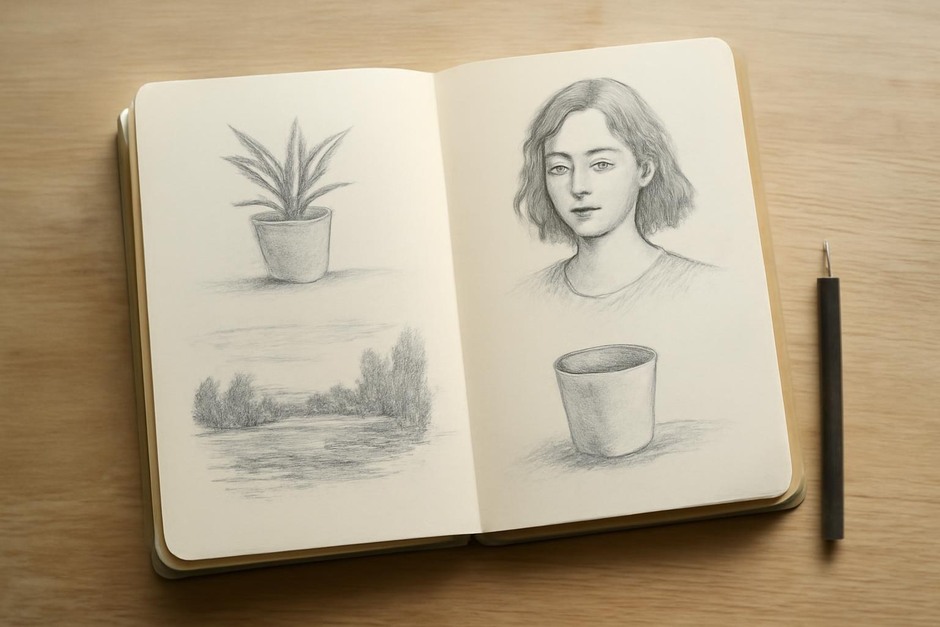
- Draw one object on your table in two minutes.
- Capture a quick gesture of someone in motion.
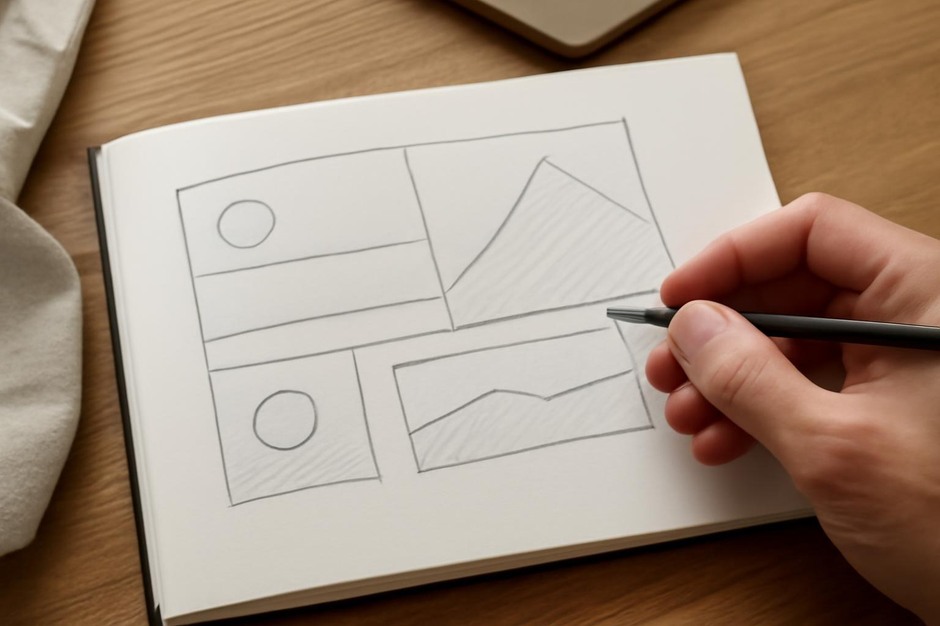
- Make three tonal studies of the same subject using different values.
Set a usable format
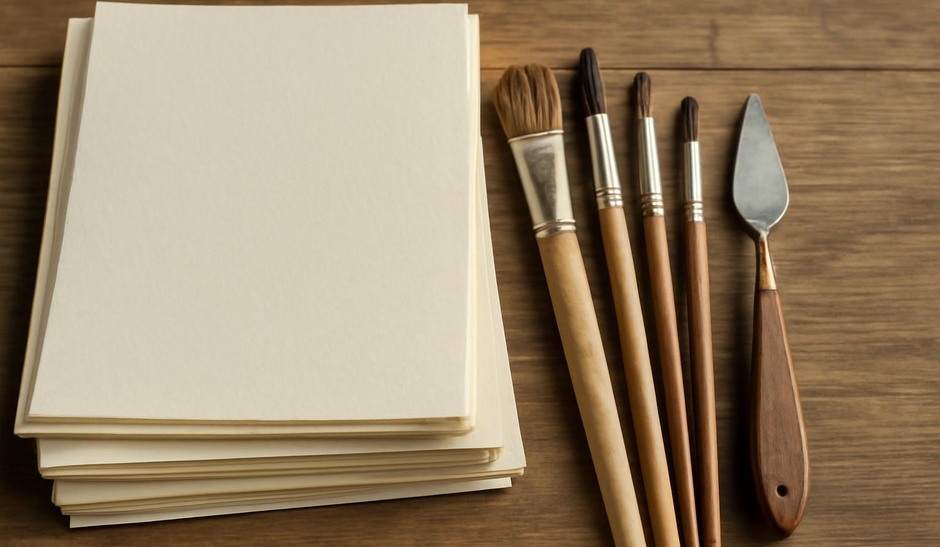
Choose a sketchbook size and paper weight you will actually carry and use. Heavy, expensive paper can be inspiring but may also discourage daily use. A modest, reliable notebook invites exploration. If you prefer brushing, pick paper that accepts the wet medium you use most often.
Consistency of format helps you compare pages over time. When the size and materials stay the same, the variations you see will come from your decisions rather than shifting tools.
Practice observation over perfection
The goal is not to make perfect drawings but to translate seeing into marks more often. Measure with lines and notes; use shorthand symbols for textures and light. If a drawing fails to satisfy you, note why. Failure in a sketchbook is useful because it highlights what to investigate next.
Record questions and experiments
Use the margins to write quick notes: what caught your attention, what you tried, and what puzzled you. Over time these annotations become a roadmap of curiosity. They also prevent repetition of unhelpful habits because you can revisit the questions with fresh intention.
Use constraints as freedom
Simple constraints can make practice more productive. Limit yourself to a single tool for a week, or decide to work only in value scales for several pages. Constraints reduce decision fatigue and encourage deeper exploration within a narrow field.
Review without judgment
Set a regular time to review past pages. Look for patterns: recurring motifs, improvements in proportion, or repeated compositional shortcuts. Avoid harsh self-criticism. The purpose of review is orientation, not punishment. Identify one small skill to practice next week based on that review.
Make space for play
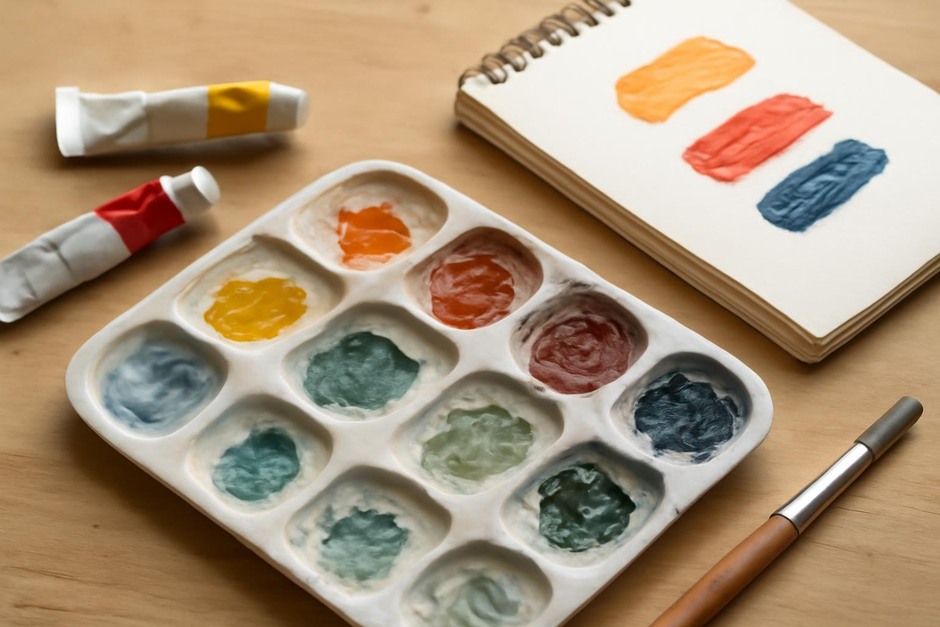
Not every page must be serious. Leave room for play: doodles, invented creatures, or colour experiments. Play restores curiosity and sometimes leads to unexpected discoveries that feed more resolved work.
Ultimately, a daily sketchbook is a relationship you build with your eye and with time. By prioritizing ease, curiosity, and regular review, the sketchbook moves from a ritual to a reliable companion in creative observation.